Grazyna Szapolowska

Grazyna Szapolowska
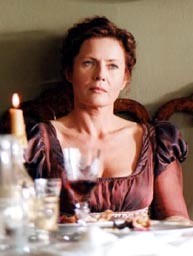
Grazyna Szapolowska
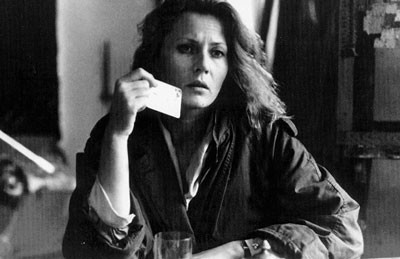
Grazyna Szapolowska
Biography / Gallery
Grażyna Szapołowska (born 19 September 1953, Bydgoszcz, Poland) is one of Poland’s most enduring and magnetic screen presences — an actress whose career reflects the changing landscape of Polish cinema from the late communist era to the present day. Raised in Toruń, she studied at the prestigious National Film School in Łódź, graduating into an industry still operating under censorship, rigid studio structures, and a political climate that shaped the themes of many films she would later help define.
Her early work through the late 1970s and into the 1980s drew the attention of Europe’s leading directors, but it was her collaboration with Krzysztof Kieślowski that cemented her international reputation. As the enigmatic Magda in A Short Film About Love (1988) and Episode 6 of Decalogue, she delivered a performance that was intimate, emotionally precise, and unforgettable. These films — now considered essential works of world cinema — brought Szapołowska global critical acclaim.
Throughout the 1990s and 2000s she continued balancing Polish productions with international co-productions, becoming one of the few Eastern European actresses of her generation to work steadily across borders. Her collaborations range from historical dramas to contemporary psychological films, often portraying women who carry emotional intensity under a controlled surface — a quality that became her on-screen signature.
Her later career expanded into theatre, literary work, and public life. Szapołowska has published writing, including memoirs and novels, and remains a cultural figure whose views regularly spark national discussion. She also served as a long-time juror on the Polish edition of The Voice…, bringing her industry experience to a new generation of performers. Now in her seventies, she continues to appear in film and television projects, her presence undimmed: poised, incisive, and unmistakably herself.
Early Life & Training
Born into a family with artistic interests, Szapołowska’s early exposure to theatre and literature shaped her intellectual and creative foundations. In the 1970s she entered the National Film School in Łódź — the same institution that formed Roman Polański, Krzysztof Zanussi, and Andrzej Wajda — emerging as part of a new wave of actors trained for both classical theatre and the psychologically driven realism that Polish cinema would become known for.
Breakthrough & International Recognition
By the mid-1980s, Szapołowska had become a recurring presence in ambitious Polish films such as Medium (1985), Bez końca (1985), and Magnat (1987). Her career turned decisively international with Kieślowski’s Decalogue and A Short Film About Love, where her performance — at once icy, vulnerable, and psychologically layered — earned admiration from critics across Europe.
She soon appeared in German, Hungarian, Italian, and French-language productions, proving herself adaptable to directors with widely different approaches. Szapołowska became a rare figure in Eastern European cinema: a performer equally comfortable in arthouse films and mainstream international features.
Career From the 1990s to Today
In the 1990s and 2000s she continued working widely, including roles in films such as Pan Tadeusz (1999), one of the most important Polish literary adaptations of its era, and Karol: A Man Who Became Pope (2005). She also appeared in theatre productions and expanded her creative profile by writing books that revealed her personal insights into art, fame, and aging.
Into the 2010s and 2020s she remained professionally active — acting, writing, appearing in cultural programming, and maintaining a strong public presence. Her longstanding place in Polish cultural life has made her not only an actress, but a widely recognized public intellectual and commentator.
Selected Film & Television Work
- 2005 – Karol: Un uomo diventato Papa (TV)
- 2004 – Hamlet (TV); Nachbarinnen
- 2003 – Warszawa
- 1999 – Pan Tadeusz
- 1997 – Kroniki domowe; Our God’s Brother; Eskapada (TV)
- 1993 – Abissinia; Piazza di Spagna (mini-series); Punto di fuga
- 1992 – Piekna nieznajoma
- 1991 – Lebewohl, Fremde; La Condanna
- 1990 – Der Skipper
- 1989 – Dekalog (TV mini-series); Lawa
- 1988 – Krótki film o miłości; Hanussen; Dekalog, sześć (TV); Tabu
- 1987 – Magnat; Cudowne dziecko; Pervaya vstrecha – poslednyaya vstrecha; Zagon
- 1986 – Przez dotyk
- 1985 – Medium; Bez końca; W starym dworku; Nadzór; Besuch bei Van Gogh
- 1984 – Szirmok, virágok, koszorúk
- 1983 – Wielki szu; Lata dwudzieste, lata trzydzieste
- 1982 – Egymásra nézve; Najdłuższa wojna nowoczesnej Europy (TV)
- 1980 – Przed odlotem
- 1978 – 80 huszár; Miris zemlje
- 1975 – Obrazki z życia
Legacy
Across five decades, Grażyna Szapołowska has remained one of the defining actresses of Polish cinema. Whether in Kieślowski’s moral labyrinths, period epics, or modern dramas, she brings a distinctive mixture of intelligence, restraint, and emotional sharpness. Her body of work stands as one of the strongest and most varied in postwar Central European film.
Links
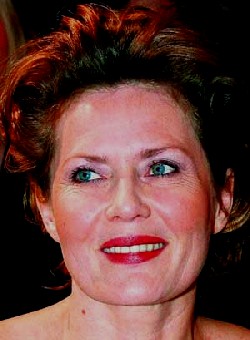
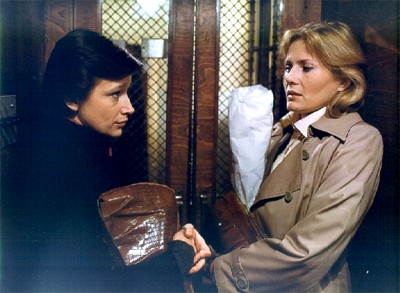
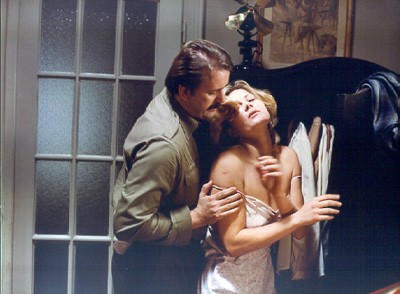
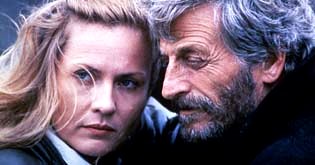
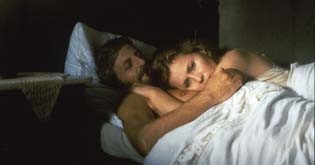
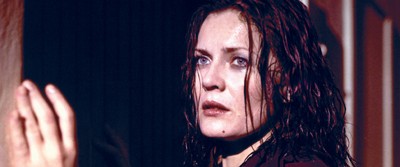
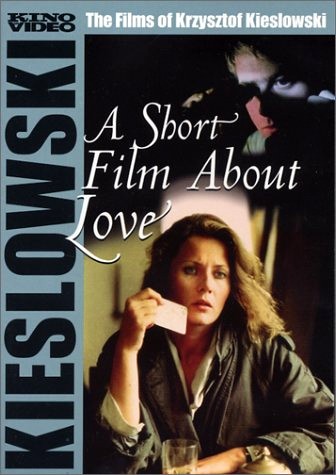
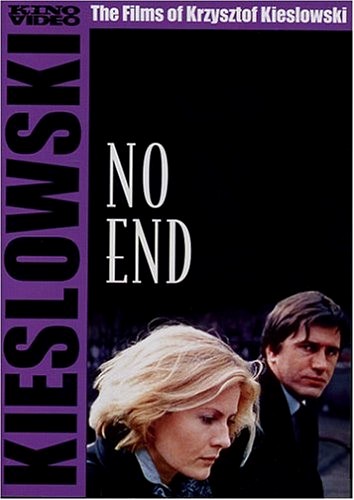
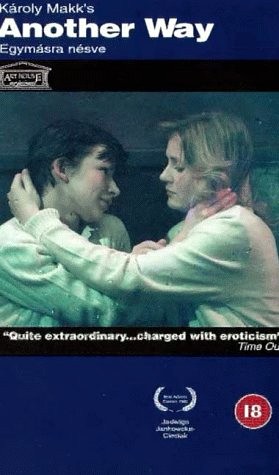
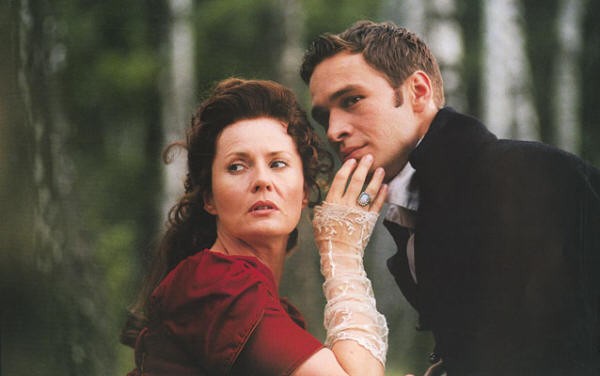
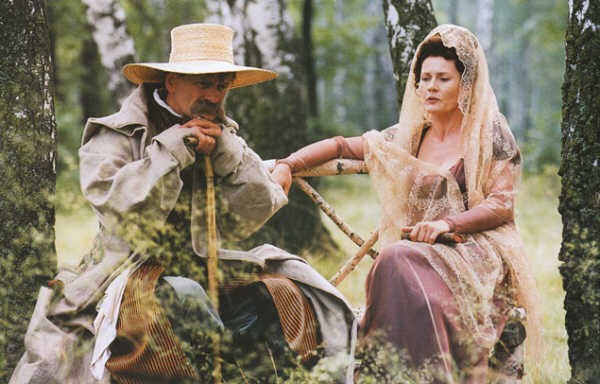
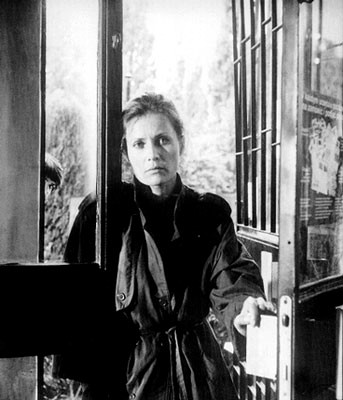
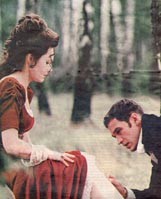




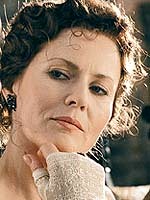
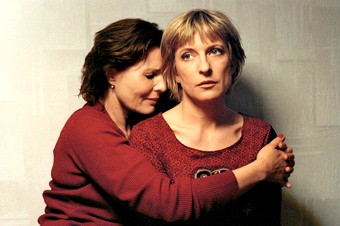

Photo copyright belongs to the respective photographers.
Grazyna Szapolowska signed memorabilia @ eBay UK (direct link)