Vivien Leigh

Vivien Leigh

Vivien Leigh

Vivien Leigh
Biography / Gallery
Vivien Leigh: The Rise of a Legend
Vivien Leigh's rise to cinematic stardom began on December 10, 1938, when Atlanta – recreated on the backlot of an old studio – was set ablaze for the filming of Gone With The Wind (1939). The role of Scarlett O'Hara had yet to be cast, a daring gamble for producer David O. Selznick. Amid the controlled chaos of the set, Myron Selznick, Hollywood’s influential agent, approached his brother and introduced a slender, striking young Englishwoman with captivating eyes. "Dave, I want you to meet Scarlett O'Hara," he said. And just like that, Vivien Leigh was poised to take on the role that would define her career.
Early Life and Beginnings
Born Vivian Mary Hartley in 1913 in India, Leigh faced a childhood marked by separation from her mother and the early pressures of societal expectation. She moved to England as a young girl, where her beauty and talent quickly caught the attention of stage directors. Early film roles, including Storm in a Teacup (1937), showcased her promise, yet it was her uncanny presence and emotional depth that set her apart from her contemporaries.
The Scarlett Phenomenon
The casting of an English actress as the Southern belle could have been contentious, but Leigh’s diction lessons and meticulous coaching – first by George Cukor, then privately – ensured her English tones melted into the rich molasses of the American South. Filming with Victor Fleming proved challenging; Leigh clashed with co-star Clark Gable and the production’s rigorous pace, yet she emerged triumphant, earning her first Academy Award. The mythology of Scarlett and Leigh’s casting remains legendary, with various accounts attributing her selection to the combined influences of Selznick, Cukor, and Victor Saville.
The English Rose of Hollywood
At 26, Leigh became a precious commodity in Hollywood. Selznick loaned her to MGM for Waterloo Bridge (1940), and to Alexander Korda for That Hamilton Woman! (1941). Her career was intermittently paused by illness and the Second World War, but she returned with performances of astonishing maturity, notably as Cleopatra in Caesar and Cleopatra (1945). Leigh’s collaborations with Tennessee Williams, most famously as Blanche DuBois in A Streetcar Named Desire (1951), revealed her ability to channel raw vulnerability and a haunted intensity, bringing the Southern drawl and broken psyche to life on screen.
Life Behind the Camera
Vivien Leigh's personal life was complex and often shadowed by illness. She married Laurence Olivier in 1940, creating one of Hollywood's most storied partnerships, yet their relationship endured professional pressures, periods of separation, and personal tragedy. Leigh also faced mental health challenges; in the 1950s she underwent treatment at Netherne Hospital, including controversial ECT therapy. Despite her fame, she lived with a quiet intensity, balancing stardom with a private struggle against depression and tuberculosis, the latter of which ultimately claimed her life in 1967.
Residences and Legacy
Leigh's country retreat, Tickerage Mill in East Sussex, became her sanctuary, a place where she could retreat from the public eye. She purchased it in 1961 on the advice of Dirk Bogarde. After her death, her ashes were scattered there. She also lived at Notley Abbey in Buckinghamshire, a historic estate with 70 acres and private fishing rights along the Thames, which she shared with Olivier.
Trivia and Fascinating Facts
- Leigh suffered from long-term mental illness and underwent ECT therapy in the 1950s.
- Her first major Hollywood role was in Gone With The Wind, after an extensive and secretive casting process.
- She maintained an affair with Peter Finch during her marriage to Olivier, though the details remain murky.
- Leigh’s last films included The Roman Spring of Mrs Stone (1961) and Ship of Fools (1965), where she displayed her consummate acting skill despite illness.
- Her ashes were scattered at her beloved Tickerage Mill, a Grade II listed estate in East Sussex.
- One of her final personal memories was watching the 1967 Wimbledon Men’s Final before passing away that evening.
Filmography Highlights
- Gone With The Wind (1939)
- Waterloo Bridge (1940)
- That Hamilton Woman! (1941)
- Caesar and Cleopatra (1945)
- Anna Karenina (1948)
- A Streetcar Named Desire (1951)
- The Deep Blue Sea (1955)
- The Roman Spring of Mrs Stone (1961)
- Ship of Fools (1965)
Links
- Vivien Leigh Film Posters
- Other Galleries
- Vivien Leigh signed memorabilia @ eBay UK (direct link)
- Gone With The Wind Streetcar Named Desire
- Caesar & Cleopatra
- Fire Over England That Hamilton Woman
- Olivia De Havilland
- Leslie Howard
- Laurence Olivier
- Victor Saville
- Claude Rains
- Clark Gable
- Robert Taylor

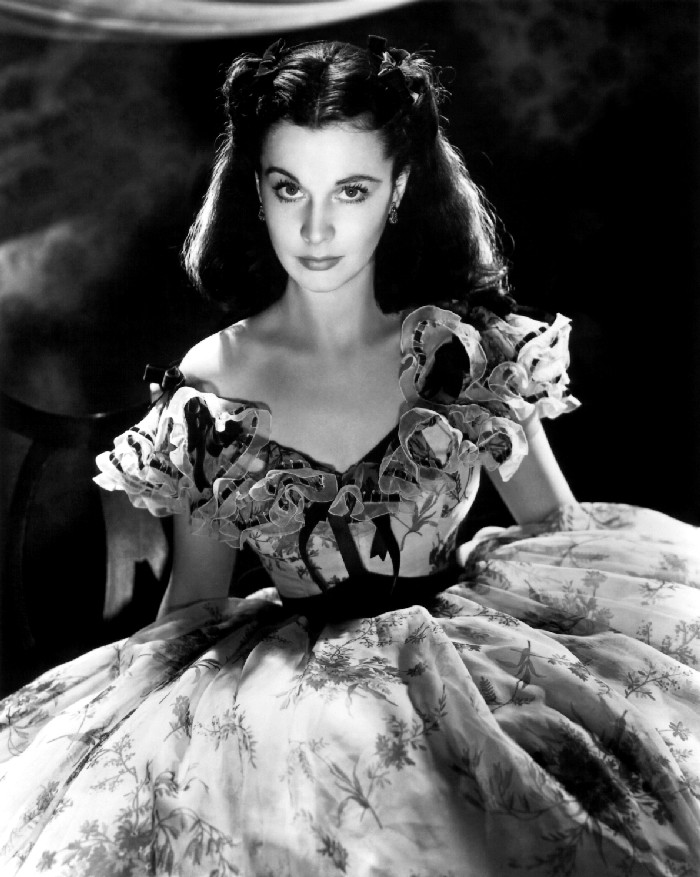
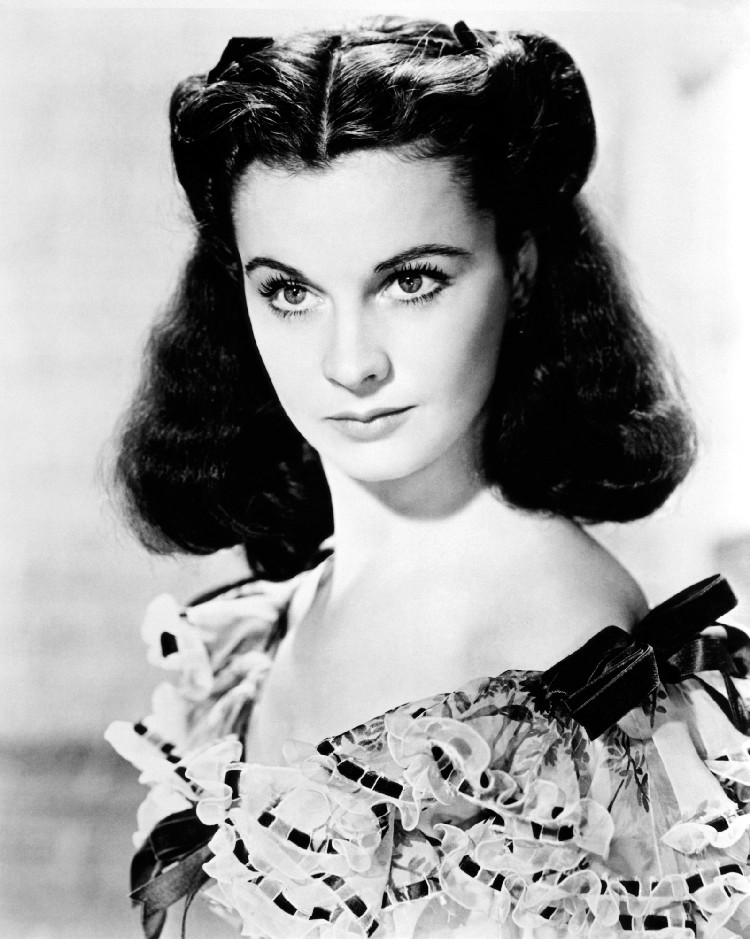
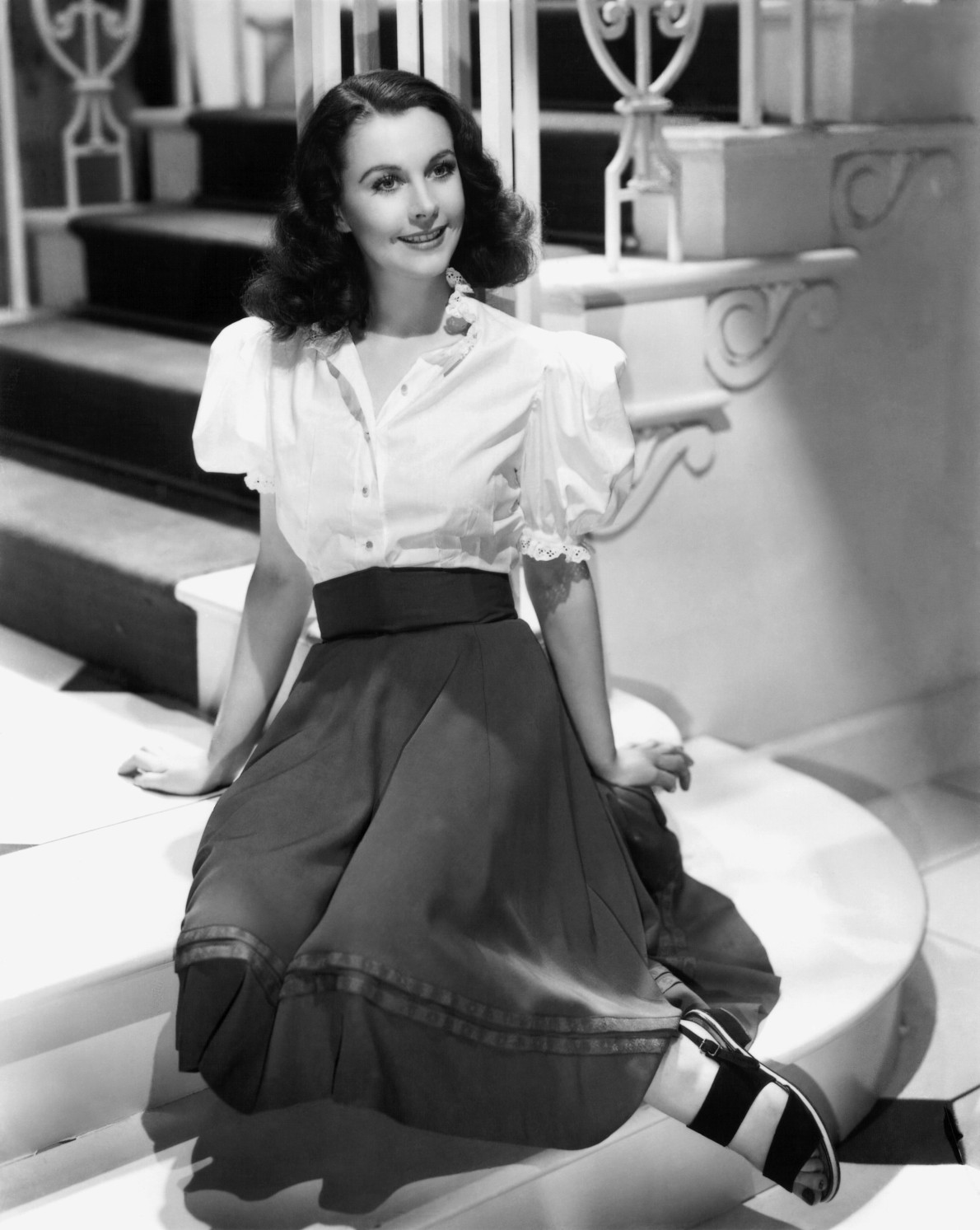
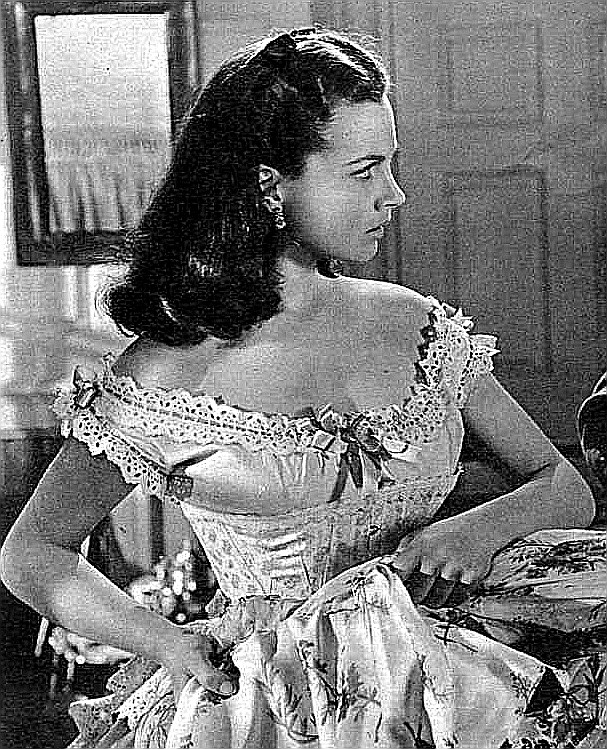
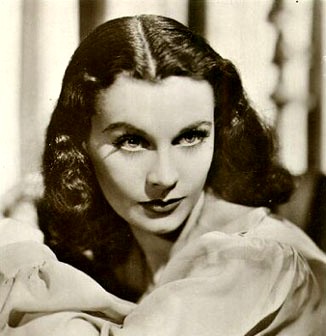
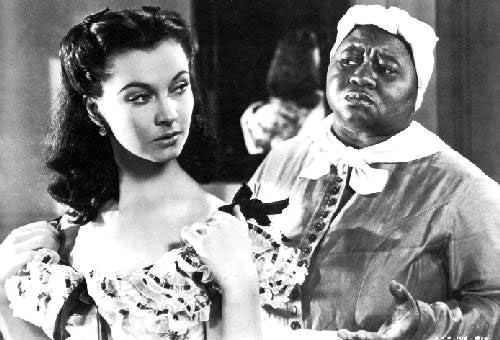
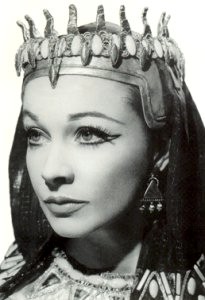

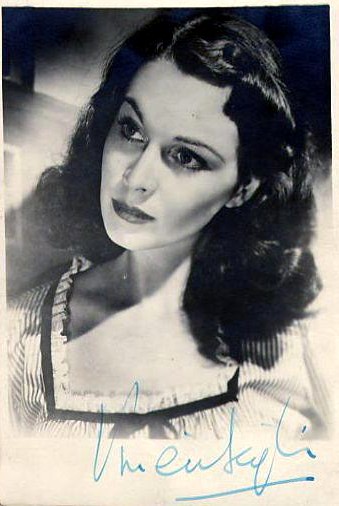
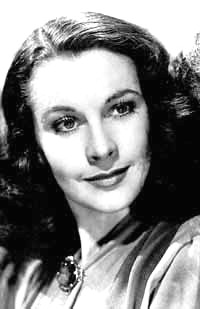
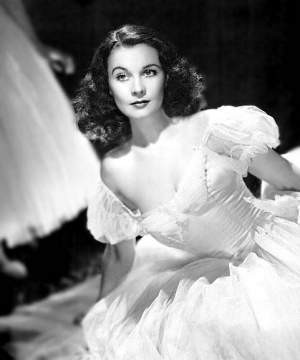
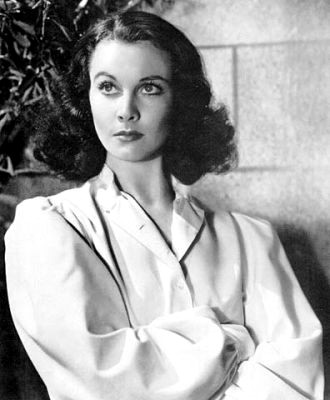
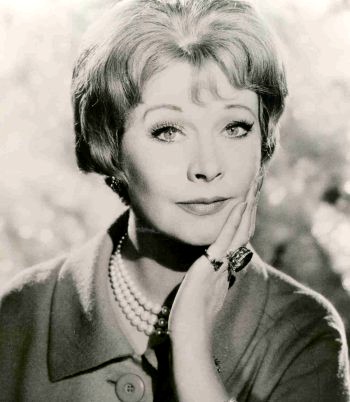
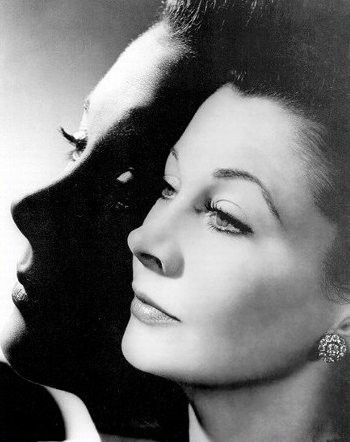
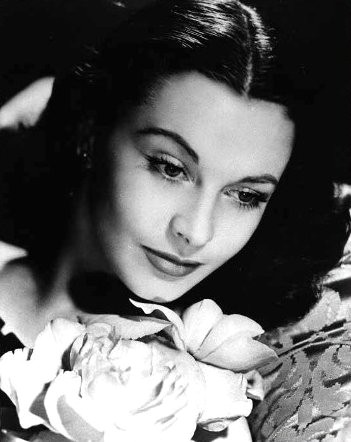
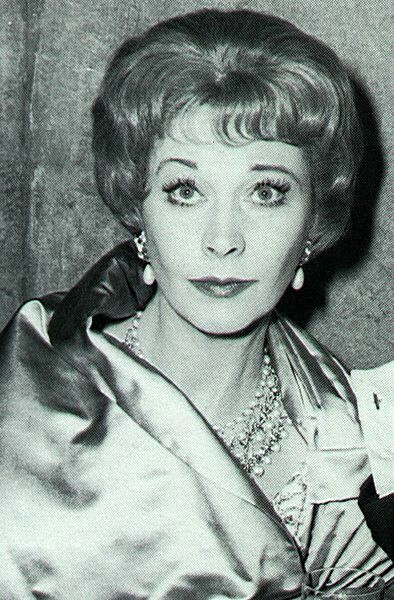
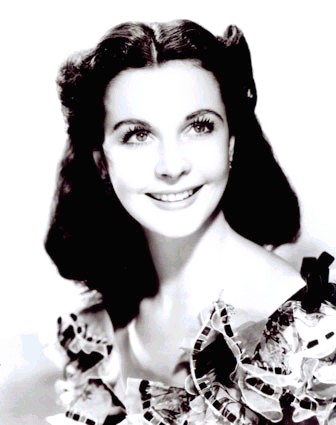
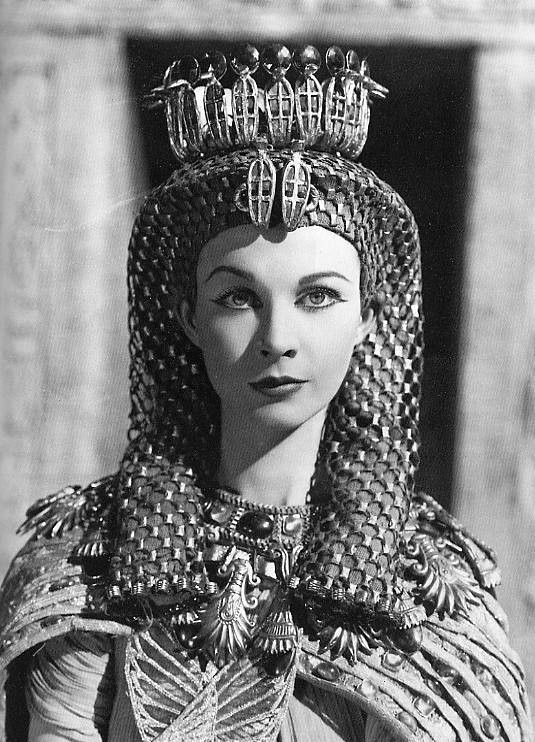
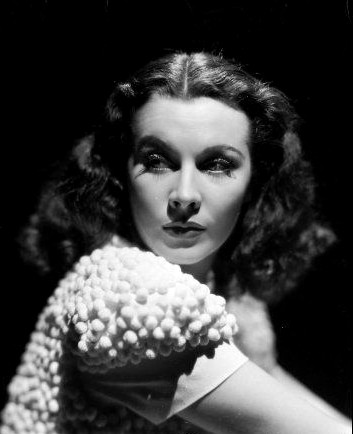
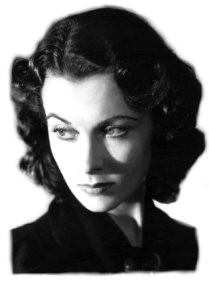
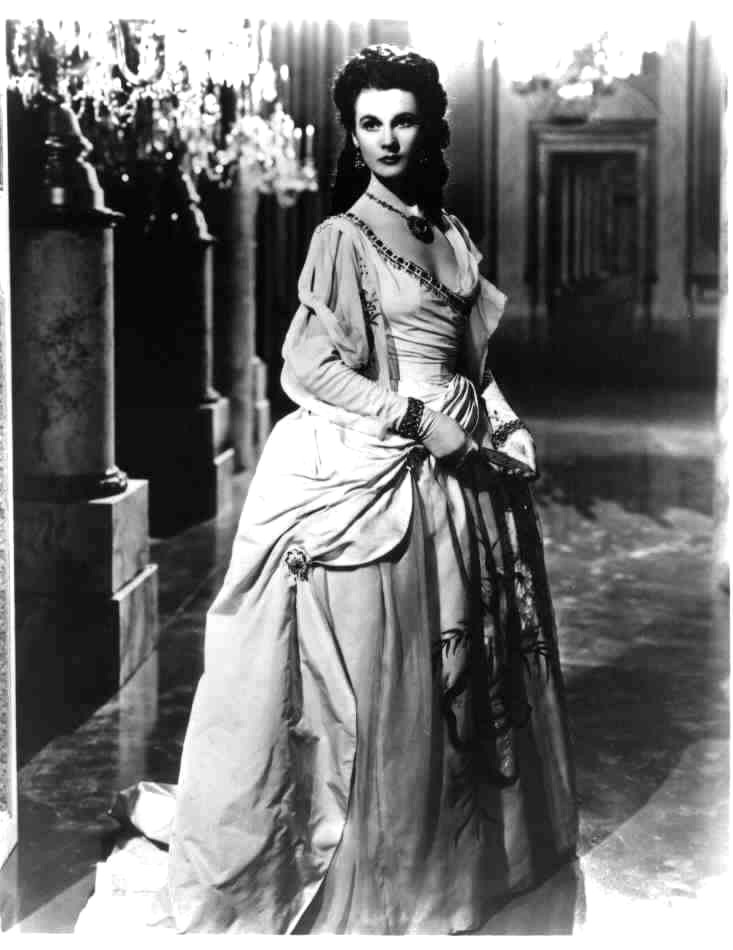
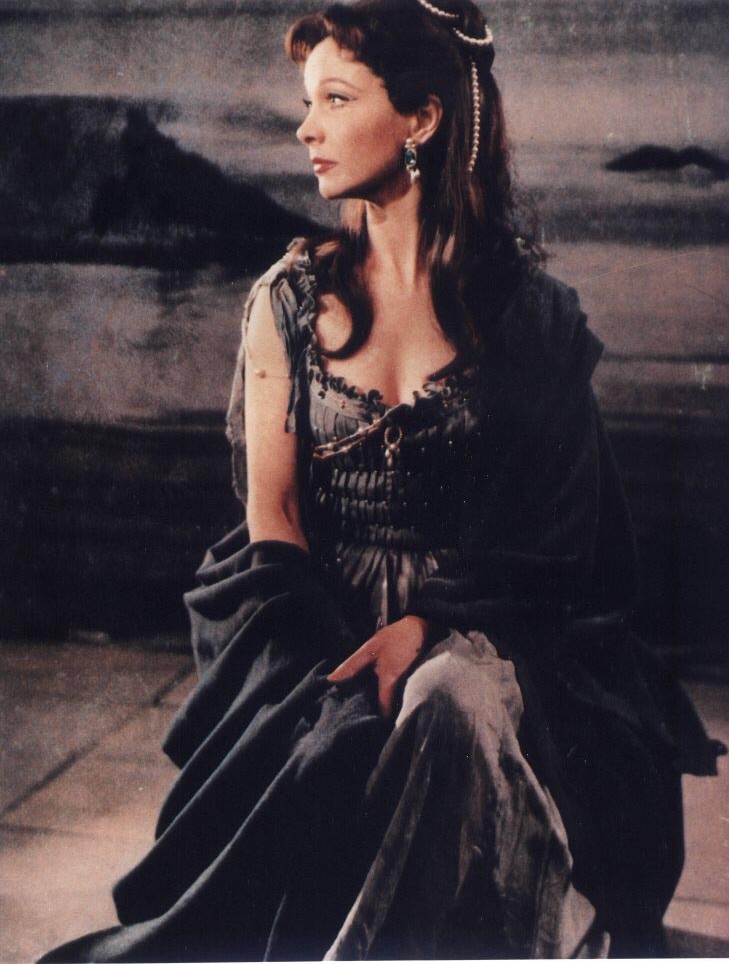
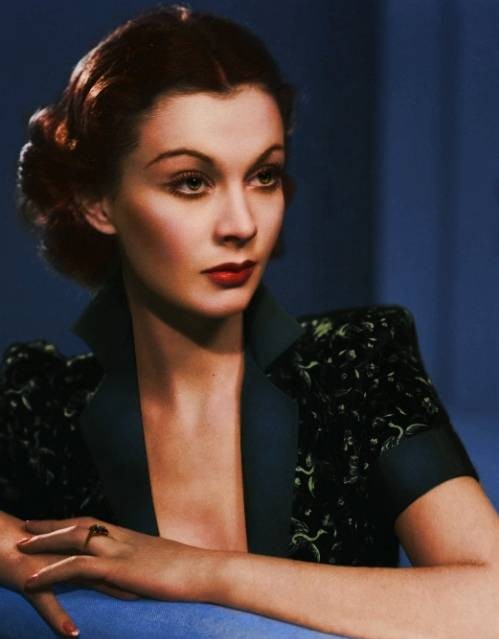
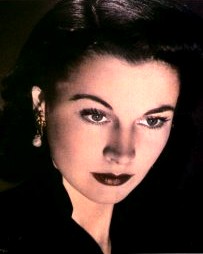
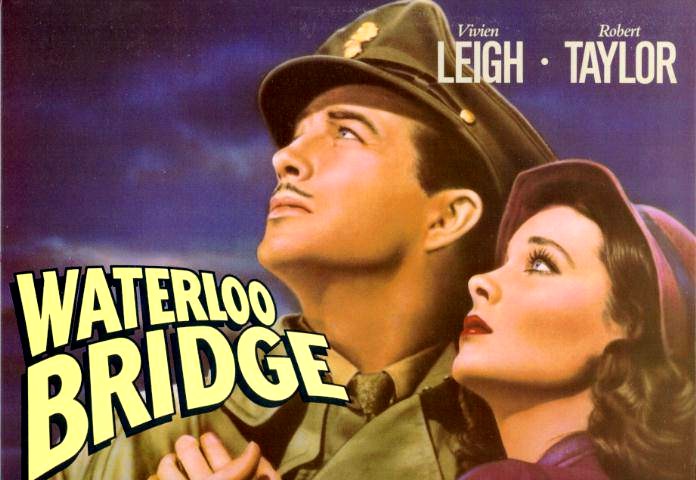
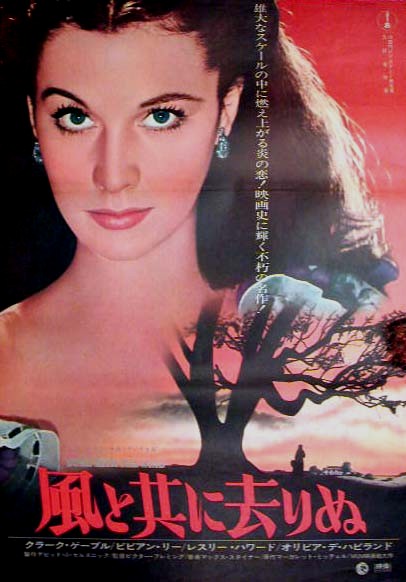
Photo copyright belongs to the respective photographers.
Vivien Leigh signed memorabilia @ eBay UK (direct link)