IPPU-DO
Links
Masami Tsuchiya Fascinating Facts
Ryuichi Sakamoto Fascinating Facts
Haruomi Hosono Fascinating Facts
Yukihiro Takahashi Fascinating Facts
Roxy Music / Bryan Ferry Fascinating Facts
Scott Walker Fascinating Facts
Michael Brook Fascinating Facts
Penguin Cafe Orchestra Fascinating Facts
Hector Zazou Fascinating Facts
David Bowie Rarities (Shipped From UK)
Cocteau Twins Fascinating Facts
Frank Auerbach Fascinating Facts
Masami Tsuchiya
Artist
Masami Tsuchiya
Content
All the fascinating facts
More
Bitesized
Year
1970s to Present Day
Random and bite-sized facts on all things of the mythical figure that is Masami Tsuchiya. Totally random but totally fascinating if you're into it. Do you know Masami Tsuchiya now?
--
Masami Tsuchiya Ran Away from Home at 15
Tsuchiya has recalled leaving home at just 15 because his strict parents disapproved of rock music. He made his way into the world of Japanese rock by becoming a roadie for the Golden Cups, despite initially being rejected by most of the group. Bassist Masayoshi Kabe was the one who allowed him to stay.
--
He Was Discovered Playing Guitar in a University Courtyard
Tsuchiya's route into professional recording began when he was playing guitar in a university courtyard. Session musician Nobu Saito heard him and was sufficiently impressed to invite him into the studio. Tsuchiya later remembered that his first professional recording session involved adding a solo guitar part to a record by Ken Ohashi.
--
Ryuichi Sakamoto Was His Session-Band Colleague
Before Yellow Magic Orchestra became internationally famous, Tsuchiya and Ryuichi Sakamoto worked together in the Bye Bye Session Band. Tsuchiya recalled feeling musically outclassed by Sakamoto, even though he was technically the more senior member. The pair also spent time together on tour, with Sakamoto sometimes staying at Tsuchiya's apartment.
--
He Didn't Think Ippu-Do Was Simply a Technopop Band
Tsuchiya described Ippu-Do's sound as an attempt to introduce something strange and fresh into Japanese popular music. He said he wasn't consciously trying to make either punk or techno. The style was eventually recognised as new wave, but his ambition was to create something that didn't fit neatly into either category.
--
David Sylvian Remembered His Guitar Experiments
David Sylvian once described Tsuchiya's guitar abstractions as experiments in which he laid a guitar on a table and struck it with objects, including a tuning fork. The resulting noises were far removed from conventional guitar playing. The recollection appeared in a 1987 interview with Sylvian, reflecting the experimental approach that connected the two musicians.
--
He Took Bass Demos to London Before the Songs Were Finished
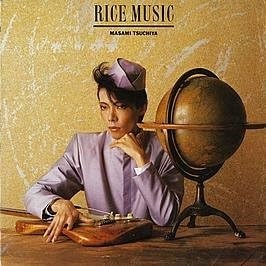
For his solo album *Rice Music*, Tsuchiya approached the members of Japan about collaborating before he had completed any tracks. He recalled composing bass demos the following day and taking the tapes to London. Steve Jansen, Mick Karn and other musicians from Japan contributed to the album, recorded at AIR Studios in early 1982.
--
Kim Wilde Helped Bring Him to Britain
Tsuchiya recalled that his first trip to London came about through a song he had written for a commercial project associated with Kim Wilde. According to his account, roughly 100 songs were submitted, and Wilde selected his. The opportunity led to a recording session at RAK Studios and helped establish his early connection with the British music scene.
--
He Pretended to Understand Duran Duran's Accents
When Tsuchiya worked with Duran Duran's side project Arcadia in the mid-1980s, he found the Birmingham accents of the band members difficult to understand. He later admitted that he sometimes nodded along and said “okay” rather than asking them to repeat themselves. He joked that maintaining a cool image was part of the reason he pretended to follow the conversations.
--
David Bowie Was Reportedly Turned Away from a Japan Concert
Tsuchiya recounted a story he said he had heard from someone close to David Bowie: Bowie had apparently tried to attend a Japan concert but was refused entry because his name wasn't on the guest list. Japan's manager, Simon Napier-Bell, allegedly turned the incident into a press story that made it sound as though the band themselves had rejected Bowie. Tsuchiya wasn't present for the original exchange, so the anecdote rests on his second-hand account.
--
He Spent Thirteen Years Living in London
Tsuchiya moved to London in 1990 and lived there for 13 years. He remained closely connected to the city afterwards, having first visited through his music work around a decade earlier. He later explained that changes in London's atmosphere, the cost of living and the music industry's shift from analogue recording to digital technology all influenced his changing relationship with Britain.
--
Al Green Influenced His Approach to New Wave
Tsuchiya's musical influences extended well beyond British post-punk and electronic music. He has specifically named soul singers Al Green and Otis Redding, alongside James Brown, as important to his musical foundations. He singled out Green's rhythm and vocal delivery as having a major influence on the way he approached music.
--
IPPU-DO
Links
Buy
Ippu-Do Japanese Vinyl - direct link @ ebay.co.uk
(Lenin is a participant in the eBay (EPN) affiliate program)
--
His First Band Was Influenced by the Golden Cups
Tsuchiya saw the Golden Cups perform as a young boy and remembered the physical impact of hearing them live. The group's mixture of blues, rhythm and blues and psychedelic rock made a deep impression on him. Years later, he would briefly work as a roadie and stand-in guitarist for the same band, bringing his fascination with Japanese rock full circle.
--
He Heard the British Invasion Through Tokyo Radio
Growing up in a small Japanese town, Tsuchiya wasn't free to listen to rock music at home. He recalled picking up the atmosphere of the Beatles, the Rolling Stones and the Yardbirds through noise coming from an AM radio station in Tokyo. He described being drawn to the strange, rebellious quality of the sounds before he had a proper musical environment of his own.
--
His First Session Took Place Next Door to an Inoue Yosui Recording
Tsuchiya's first professional recording job was adding a solo guitar part to a Ken Ohashi recording at Polydor's studio in Shibuya. He later remembered that Inoue Yosui was recording in the neighbouring studio. It was an early glimpse of the interconnected world of Japanese session musicians, where an inexperienced guitarist could find himself working alongside established recording artists.
--
Ippu-Do's Music Was Designed to Sound Unfamiliar
Looking back on Ippu-Do, Tsuchiya said he wanted to express a kind of weirdness and freshness that he felt was missing from Japanese music at the time. He didn't consciously set out to make punk or techno, even though listeners later associated the group with new wave. That refusal to fit a single genre was part of the band's identity from the beginning.
--
He Built a Track Around a Song Title About a German City
Ippu-Do's 1980 album *Real* included a track called "Heidelberg Symphony". The title stands out among the record's terse, angular song names, including "Broken Dummies", "Lunatic Guitar" and "Neu! Changing the History". The album mixed new-wave guitar with keyboards and unusual rhythmic ideas rather than following the more polished synth-pop direction that would soon become associated with Japanese electronic music.
--
"Sumire September Love" Began as a Commercial Opportunity
Ippu-Do's biggest hit, "Sumire September Love", became a major success in Japan after being used in a cosmetics commercial featuring Brooke Shields. The song's popularity was unusual for a group known for its experimental new-wave sound. It brought Tsuchiya a much larger audience, even though the track represented only one side of his musical interests.
--
Japan's Final Tour Was Not His Only Link to the Band
Tsuchiya joined Japan on guitar for their final tour in 1982 after guitarist Rob Dean had left the group. His involvement extended beyond simply filling a vacant position: he was already developing his own solo work and had connections with the band's members. The tour placed his guitar playing inside Japan's increasingly atmospheric sound, just before the band split.
--
He Reunited with Japan's Musicians After the Split
After Japan broke up, Tsuchiya continued working with several of its members. His 1983 Ippu-Do project *Night Mirage* featured Steve Jansen and Richard Barbieri, alongside bassist Percy Jones. The collaboration brought together Japanese new wave and the more spacious, exploratory instrumental approach associated with Japan's later work.
--
His Guitar Work Extended into Duran Duran's Arcadia Project
Tsuchiya played on Arcadia's 1985 album *So Red the Rose*, the side project formed by Simon Le Bon, Nick Rhodes and Roger Taylor while Duran Duran were at their commercial peak. The album drew on a wider network of collaborators than the main band, placing Tsuchiya's guitar within a sophisticated, studio-built sound featuring contributions from musicians including David Gilmour and Sting.
--
He Chose a First Take from a Remarkably Generous Vocal Session
Tsuchiya recalled sending a backing track to a collaborator and expecting only a handful of vocal takes in return. Instead, the singer filled the available tracks with different ideas. Tsuchiya ultimately chose the first, rougher take rather than a more polished later version, explaining that it captured an honesty that could not be recreated. The anecdote reflects his preference for feeling over technical perfection.
--
IPPU-DO
Links
Buy
Ippu-Do Japanese Vinyl - direct link @ ebay.co.uk
(Lenin is a participant in the eBay (EPN) affiliate program)
--
A Polaroid Camera Became an Instrument on Rice Music
One of the strangest sounds on Masami Tsuchiya's 1982 solo album *Rice Music* came from a Polaroid SX-70 camera. Photographer Masayoshi Sukita, famous for his work with David Bowie, was credited with playing the camera. It was an unusual addition to an album that brought together experimental pop, electronic textures and musicians from several different musical worlds.
--
He Used the Sounds of Everyday Life in His Music
Tsuchiya explained that he deliberately incorporated sounds from his surroundings into *Rice Music*. In one example, radio voices can be heard in the background while he plays synthesizer. He connected this approach to Japanese musical traditions in which natural sounds can form part of a musical composition, rather than being treated as unwanted noise.
--
Mick Karn Was Among the Musicians on Rice Music
The guest list for *Rice Music* included Mick Karn, whose fretless bass playing had helped define Japan's distinctive sound. Karn's melodic approach made him much more than a conventional rhythm-section player, and his contribution placed Tsuchiya's solo work in conversation with the atmospheric, unconventional music Japan were developing at the time.
--
He Worked with Percy Jones Before Night Mirage
Welsh bassist Percy Jones, best known for his work with Brand X, was another musician in Tsuchiya's extended circle. Jones later played on Ippu-Do's *Night Mirage* and the associated live album *Live and Zen*. His intricate, highly mobile bass style was a natural fit for music that moved beyond conventional pop arrangements.
--
Night Mirage Was Made Without Ippu-Do's Original Drummer
When Ippu-Do returned for *Night Mirage* in 1983, the line-up had changed. Original drummer Shoji Fujii did not return; Steve Jansen of Japan played drums instead. Richard Barbieri also contributed keyboards, while Percy Jones supplied bass. The result was a different configuration of the group, bringing Tsuchiya's Japanese new-wave background together with musicians associated with Japan's more atmospheric later sound.
--
The d.e.p Brought Mick Karn Back into His Orbit
In 2001, Tsuchiya formed the group the d.e.p with Mick Karn, Vivian Hsu, Masahide Sakuma and Gota Yashiki. The line-up united musicians from different corners of Japanese pop and rock, with Karn providing a link to Tsuchiya's earlier work with Japan. The group released the album *Shinkei Stop* that year.
--
He Returned to Recording with the d.e.p to Help Mick Karn
In 2010, the d.e.p reunited after news of Mick Karn's cancer diagnosis. Tsuchiya and his fellow musicians recorded two songs for a planned release intended to raise money for Karn and his family. The reunion showed that their musical association had survived long after the group's original 2001 album.
--
His Later Band KA.F.KA Included Former Soft Ballet Keyboardist Ken Morioka
Tsuchiya formed KA.F.KA in 2013 with vocalist Issay, drummer Motokatsu Miyagami, bassist KenKen and keyboardist Ken Morioka. Morioka was known for his work with the Japanese electronic rock group Soft Ballet. The band's album *Swan Dive*, released in November 2013, marked Tsuchiya's return to solo recording after a 15-year gap, while drawing on a new generation of collaborators.
--
He Released a Solo Album After Fifteen Years Away
Tsuchiya's *Swan Dive* appeared in 2013, fifteen years after *Forest People*. Rather than returning with a conventional solo backing band, he worked with musicians including KenKen and Motokatsu Miyagami. The album marked another stage in a career that repeatedly moved between solo projects, groups and collaborations.
--
IPPU-DO
Links
Buy
Ippu-Do Japanese Vinyl - direct link @ ebay.co.uk
(Lenin is a participant in the eBay (EPN) affiliate program)
--
David Sylvian Used His Guitar Abstractions on a Solo Project
Masami Tsuchiya contributed what were credited as “guitar abstractions” to “Steel Cathedrals”, a piece on David Sylvian's 1985 release *Alchemy: An Index of Possibilities*. Rather than conventional lead guitar, the contribution belonged to Sylvian's more exploratory instrumental world, where processed sounds and unusual textures mattered as much as melody.
--
He Composed a Song for BUCK-TICK's Atsushi Sakurai
Tsuchiya wrote “Shingetsu” for Atsushi Sakurai's 2004 solo album *Ai no Wakusei*. The track gave Tsuchiya a songwriting role in the solo career of BUCK-TICK's distinctive vocalist, whose deep, dramatic delivery was quite different from Tsuchiya's own singing. Their musical connection continued when Sakurai later appeared on Tsuchiya's *Forest People* album.
--
Atsushi Sakurai Sang on Forest People
For his 1998 solo album *Forest People*, Tsuchiya invited Atsushi Sakurai to sing on two tracks. Tsuchiya later singled out the vocalist's extraordinary depth and emotional expression. The collaboration brought together two musicians from different corners of Japanese rock, with Sakurai's dark vocal character adding another dimension to Tsuchiya's atmospheric solo work.
--
He Co-arranged Songs for GLAY
Tsuchiya's work as an arranger extended into mainstream Japanese rock. He received electric guitar and co-arrangement credits on two tracks from GLAY's 1995 album *Speed Pop*. Years later, he was again credited as co-arranger on songs from GLAY's 2019 album *9999*. These projects show that his career was not confined to his own experimental records or the Japanese new-wave scene.
--
He Wrote a Song for Kim Wilde
Tsuchiya was credited as the composer of “Bitter Is Better”, a track on Kim Wilde's 1982 album *Select*. It is a relatively obscure entry in his catalogue, particularly outside Japan, but it places him in the orbit of British pop during the period when Ippu-Do and his solo work were developing their international connections.
--
Swan Dive and Fantôme † Noir Were Conceived as One Work
When Tsuchiya made *Swan Dive* and KA.F.KA recorded *Fantôme † Noir*, he imagined the two six-track releases as the equivalent of one twelve-track album. He explained that the ending of “Coyote”, the final track on *Fantôme † Noir*, was designed to lead back into “Swan Dive Part-1”. The sequencing was intended to make sense when the two releases were played consecutively, like the two sides of a vinyl LP.
--
He Built KA.F.KA's Line-up Around Musicians He Admired
When putting KA.F.KA together, Tsuchiya approached drummer Motokatsu Miyagami after seeing him perform at a Sugizo concert. He also wanted Ken Morioka, formerly of Soft Ballet, in the group, while bassist KenKen was recruited through his connection with Mari, KenKen's mother. Tsuchiya recalled that the band began without any songs and wrote its material over just a few weeks, with the pressure helping to shape the performances.
--
His 1983 Release Alone Was a Book with a Flexi Disc
Tsuchiya's *Alone*, released in 1983, was not a conventional full-length studio album. It was issued as a book accompanied by flexi-disc records, a format that blurred the boundary between a musical release and a printed art object. It was an unusual format for a musician whose work already explored the relationship between sound, atmosphere and visual presentation.
--
Privacy Combined a Book with a CD Soundtrack
In 2019, Tsuchiya released *Privacy*, another project that combined printed material with recorded music. It was listed as a book with a CD soundtrack rather than simply another conventional album. Across his career, he repeatedly explored formats that allowed his music to exist alongside visual or printed material, rather than treating the record as the only finished object.
--
IPPU-DO
Links
Buy
Ippu-Do Japanese Vinyl - direct link @ ebay.co.uk
(Lenin is a participant in the eBay (EPN) affiliate program)
--
He Thought Intuition Could Matter More Than Music Theory
Tsuchiya was surprised to discover that some of the British and American musicians he most admired knew very little formal music theory. He recalled that Percy Jones, the highly inventive bassist associated with Brand X, couldn't readily identify chords by name. For Tsuchiya, who had grown up in a musical culture where professional players were expected to understand theory, it was a lesson in how instinct could produce extraordinary music.
--
Mick Karn's Bass Lines Seemed Almost Inconceivable to Him
Tsuchiya described Mick Karn as a genius whose playing could transform a piece of music. He particularly admired Karn's ability to create melodies that other musicians would struggle even to imagine. Their collaborations extended beyond Japan's final tour into Tsuchiya's solo recordings, making Karn one of the most important recurring musical partners in his career.
--
He Was Reluctant to Ask David Sylvian to Play Guitar
Although Tsuchiya knew David Sylvian through their musical circle, he recalled that Sylvian was shy and reluctant when asked to play guitar on one of his solo recordings. Sylvian eventually contributed, despite being uncomfortable with the request. The anecdote offers a glimpse of a musician better known for his voice and songwriting being hesitant about a more conventional instrumental role.
--
Paul McCartney Once Walked into His Studio Session
While working at AIR Studios, Tsuchiya recalled seeing Paul McCartney walk in carrying a bass guitar. McCartney appeared ready to play, but studio staff stopped him. Tsuchiya joked that having McCartney unexpectedly perform on the recording would have created complicated legal and crediting problems. It was an extraordinary interruption to an otherwise ordinary studio session.
--
He Was Inspired by Joy Division Years After Their Peak
Tsuchiya later revisited Joy Division's music and found himself newly fascinated by the band's roughness. Rather than being put off by the technical limitations of their playing, he wondered why they had chosen to make music that sounded that way at that particular moment in history. He saw their approach as part of a wider international shift in music, where attitude and invention could matter more than technical polish.
--
He Wanted Ippu-Do to Sound Different from Japanese Pop
Tsuchiya explained that his aim with Ippu-Do was to introduce a strangeness and freshness he felt were missing from Japanese music at the time. He wasn't consciously trying to fit into punk or techno. Instead, the band developed its own combination of new-wave guitar, keyboards and sharply defined rhythms, which later led listeners to place them within Japan's new-wave movement.
--
His Musical Heroes Included Django Reinhardt
Asked which guitarist from history he would most like to jam with, Tsuchiya chose Django Reinhardt. The answer reveals an influence outside the British rock and new-wave traditions most often associated with his career. Reinhardt's expressive phrasing and distinctive approach to guitar offered a very different model from the angular electric playing of Ippu-Do.
--
He Never Saw His Albums as Competing with One Another
When asked which of his solo albums he would recommend to newcomers, Tsuchiya struggled to choose. He explained that each record had been made with his full energy and passion, making it difficult to single out one favourite. He did, however, give particular affection to the tracks he made with Mick Karn, whose playing he regarded as exceptional.
--
He Was Drawn to British Mod Fashion
Tsuchiya said that his interest in British culture extended beyond music into fashion. He remained particularly fond of 1960s mod style, citing the Beatles and the Who as influences. Much later, he also praised designer Hedi Slimane, whose work with musicians and interest in the visual language of rock appealed to Tsuchiya's own sense of style.
--
He Chose Creative Freedom over a Conventional Career Path
Tsuchiya's later solo work was made possible in part by his relationship with Sugizo of Luna Sea, who established a label that gave him considerable artistic freedom. Tsuchiya released *Forest People* and *Sea Monster* through this arrangement. Rather than following the commercial expectations of a major-label career, he was able to pursue collaborations and sounds that reflected his own interests.
--
IPPU-DO
Links
Buy
Ippu-Do Japanese Vinyl - direct link @ ebay.co.uk
(Lenin is a participant in the eBay (EPN) affiliate program)
--
He Produced Records for Japanese Pop Singers
Away from Ippu-Do and his solo albums, Tsuchiya developed a parallel career as a producer for Japanese pop artists. His credits included work with Kohiruimaki Kahoru and Kyoko Koizumi, demonstrating that his studio experience extended well beyond the new-wave scene. He moved between experimental rock and mainstream pop without abandoning his interest in unusual sounds and arrangements.
--
He Was Already Working Professionally Before Ippu-Do Existed
Tsuchiya's first professional recording session came before he formed Ippu-Do. While playing guitar in a university courtyard, he was noticed and invited to take part in a recording. The session involved overdubbing a solo guitar part for singer Ken Ohashi at Polydor's studio in Shibuya. Tsuchiya remembered that singer Yosui Inoue was recording next door at the time.
--
The Sex Pistols Helped Shape Ippu-Do's Formation
Although Ippu-Do became associated with Japanese new wave and electronic pop, Tsuchiya was influenced by the Sex Pistols. The band's arrival helped change his sense of what rock music could be, and Ippu-Do emerged in 1979 with a sound that combined angular guitar playing with keyboards and a more experimental approach to pop songwriting.
--
He Worked with Kyoko Koizumi During His Production Career
Tsuchiya's production credits include Kyoko Koizumi, one of Japan's most successful pop singers. This side of his career is easy to overlook when he is discussed primarily as Ippu-Do's guitarist and singer. His experience as a producer gave him a perspective on arrangement and recording that extended across very different kinds of Japanese popular music.
--
He Saw British and American Studio Culture as More Specialised
Reflecting on his sessions in Britain, Tsuchiya said that responsibilities between staff members seemed more clearly divided in the European and American music industries. He felt that this required a higher degree of professional specialisation than the working culture he had experienced in Japan. The observation came from his own experience of recording and touring with overseas musicians rather than from an abstract comparison of the two industries.
--
He Heard the Beatles Before He Could Freely Play Their Music
Tsuchiya grew up in a strict household where rock music and guitar playing were discouraged. He remembered hearing the Beatles, the Rolling Stones and the Yardbirds indirectly through the sound of an AM radio station broadcasting from Tokyo. The music reached him as a distant, almost mysterious sound before he was able to pursue his interest openly.
--
He Remained Fascinated by Mick Karn's Ability to Invent Melodies
Tsuchiya said that playing with Mick Karn repeatedly reminded him that he was working with a musician of exceptional imagination. He admired Karn's ability to create melodic bass lines that seemed impossible to anticipate. Their musical relationship continued beyond Japan's 1982 tour, with Karn contributing to Tsuchiya's solo recordings.
--
He Reconsidered Joy Division Years After First Hearing Them
Tsuchiya described rediscovering Joy Division's music and being struck by how technically rough the performances could sound. Instead of dismissing the imperfections, he became interested in why the band had made music that way at that moment in history. He saw their sound as part of a wider shift in music, where the character of the performance could matter more than instrumental polish.
--
He Had a Personal Connection to the Tokyo Technopop Scene
During the period when Japanese technopop was emerging, Tsuchiya encountered members of the Plastics and other musicians moving through Tokyo's experimental music circles. He later reflected that meeting artists with different approaches to sound expanded his own musical thinking. These connections helped place Ippu-Do within a wider scene, rather than as an isolated band working in a single style.
--
His Goal as a Guitarist Was to Say More with Less
In an interview about his long career, Tsuchiya described his ultimate ambition as creating something meaningful with as little as possible. He wanted to move listeners with just a few carefully chosen notes. It was a revealing statement from a musician whose career has encompassed experimental guitar, new wave, electronic textures and collaborations with some of Japan's most distinctive performers.
--
IPPU-DO
Links
Buy
Ippu-Do Japanese Vinyl - direct link @ ebay.co.uk
(Lenin is a participant in the eBay (EPN) affiliate program)
--
He Was a Regular Member of Junko Ohashi's Backing Band
Before Ippu-Do formed, Tsuchiya played with Minoya Central Station, the backing band associated with singer Junko Ohashi. His experience in this working band gave him a grounding in professional arrangements and live performance before he became known for his more experimental new-wave music. It was part of a substantial session career that is often overlooked when his biography focuses on Ippu-Do.
--
His First Recording Work Included Several Lily Albums
Tsuchiya's early session credits include Lily's albums *Lily* (1974), *Love Letter* (1975) and *Auroila* (1976). These recordings predate Ippu-Do and show that he was already working in Japanese studio music years before his own band released its debut. His early career moved between session work, touring and the development of his own musical identity.
--
He Sang Backing Vocals on Ryuichi Sakamoto's Solo Album
Tsuchiya is credited with backing vocals on Ryuichi Sakamoto's 1981 album *Left Handed Dream*. Their connection therefore extended beyond their earlier work in the Bye Bye Session Band. The album also brought Sakamoto into collaboration with musicians from outside Yellow Magic Orchestra, reflecting the international musical network that was developing around him.
--
He Played Both Guitar and Violin on Arcadia's Album
Tsuchiya's contribution to Arcadia's *So Red the Rose* was not limited to guitar. The album credits also list him on violin, an unusual detail given that he is primarily identified as a guitarist and vocalist. His involvement placed him among the many guest musicians brought into Duran Duran's atmospheric side project in 1985.
--
He Arranged a Track on Mika Nakashima's Rock Album
Tsuchiya was involved in Mika Nakashima's 2006 album *The End*, receiving an arrangement credit for “Neglest Mind”. The record was created around Nakashima's role in the film *Nana*, and its rock-oriented material brought Tsuchiya's experience to a younger generation of Japanese pop listeners. It is a lesser-known example of his work behind the scenes as an arranger.
--
He Revisited a BUCK-TICK Song for a Tribute Album
Tsuchiya contributed a version of “Mienai Mono o Miyo to Suru Gokai Subete Gokai da” to the 2005 BUCK-TICK tribute album *Parade*. His relationship with Atsushi Sakurai had already extended to Sakurai's solo album *Ai no Wakusei*. The tribute recording offers another example of Tsuchiya's connection with the band's wider musical world.
--
He Covered Luna Sea for a Memorial Album
Tsuchiya recorded a version of Luna Sea's “Moon” for the 2007 compilation *Luna Sea Memorial Cover Album: Re:birth*. His relationship with Sugizo had already given him a route into a later generation of Japanese rock, including the release of his solo albums *Forest People* and *Sea Monster*. The cover connected his own experimental career with Luna Sea's visual and musical legacy.
--
He Contributed to a Japanese Glam-Rock Tribute Project
Tsuchiya appeared on the 2011 compilation *Hateshinaki Glam Rock Kayō no Sekai*, a project celebrating Japanese interpretations of glam rock. His contribution was “Hana no Kubikazari”. The recording reflected his long-standing interest in British rock culture, which had begun with the Beatles and other 1960s groups and continued through his later work with British musicians.
--
He Played on Dr. Jan Guru's Planet Japan
Tsuchiya's guitar credits include *Planet Japan*, a 2004 release by Dr. Jan Guru. It is a relatively obscure entry in his discography compared with his work for Japan or Arcadia, but it demonstrates how widely his playing travelled across collaborative projects. His career has repeatedly moved between band membership, session work, production and one-off recordings.
He Built a Career Across Several Different Musical Generations
Tsuchiya's credits span the 1970s session scene, the Japanese new-wave movement, British art-pop projects of the 1980s and later collaborations with Japanese rock musicians. His work with Ryuichi Sakamoto, Japan, Arcadia, Atsushi Sakurai and GLAY is not simply a list of guest appearances: it shows how he remained active across scenes that rarely get discussed together. That breadth is one of the most distinctive features of his career.
--
IPPU-DO
Links
Buy
Ippu-Do Japanese Vinyl - direct link @ ebay.co.uk
(Lenin is a participant in the eBay (EPN) affiliate program)
--
He Joined Melon After the Plastics Split Up
After the Plastics broke up, Toshio Nakanishi and Chica Sato formed the group Melon and invited Tsuchiya to join. Their ambition was to make music with international appeal, and they travelled to New York to record with musicians including members of Talking Heads. Tsuchiya later recalled that the experience brought him into contact with Percy Jones, the fretless bassist he had admired since childhood.
--
He Worked with Members of Talking Heads Through Melon
Melon's international connections extended to musicians associated with Talking Heads. Tsuchiya recalled recording in New York with the group, a striking development for a Japanese guitarist who had begun his career in local rock bands and session work. The collaboration reflected the cross-cultural musical networks developing between Japan and New York in the early 1980s.
--
Percy Jones Was a Childhood Hero Before They Recorded Together
Tsuchiya said he had admired Percy Jones since he was young, making their eventual work together a particularly meaningful experience. Jones was known for his fretless bass playing with Brand X, where he developed a highly melodic and unconventional approach to the instrument. Tsuchiya later worked with Jones on projects including *Night Mirage*, continuing a musical relationship that began with admiration from a distance.
--
Japan Came to See Him Perform at Tsubaki House
Tsuchiya recalled that members of Japan came to see him perform with Melon at Tsubaki House, a club in Shinjuku, Tokyo. They already knew of his work, and the meeting quickly led to a personal connection. Soon afterwards, he was working with the band on his own *Rice Music* project and was invited to join their final tour after Rob Dean's departure.
--
Steve Nye Was the Producer on Rice Music
When Tsuchiya began recording *Rice Music* in London, he worked with producer and engineer Steve Nye, who had previously worked with Japan on *Tin Drum*. The connection gave Tsuchiya access to a studio team already familiar with Japan's unusual blend of electronics, percussion and atmospheric arrangements. The resulting album brought Tsuchiya's solo ideas together with contributions from musicians in Japan's circle.
--
David Sylvian Came to the Studio Specifically to Meet Him
Tsuchiya recalled being surprised when David Sylvian arrived at the studio alone while *Rice Music* was being prepared. According to Tsuchiya, Sylvian had come specifically to meet him. Their connection became part of the wider relationship between Tsuchiya and Japan's members, which extended beyond the final tour into solo recordings and later collaborations.
--
Sugizo First Met Him in a Tokyo Nightclub
Tsuchiya's later solo career was partly shaped by his friendship with Sugizo of Luna Sea. He recalled meeting Sugizo in a Tokyo nightclub around 1993, when the younger musician approached him and explained that watching Tsuchiya perform as a child had helped inspire him to become a guitarist. Years later, Sugizo invited Tsuchiya to release albums through his label, giving him the freedom to make *Forest People* and *Sea Monster*.
--
He Chose Issay for Kafka Because of His Understanding of Joy Division
When Tsuchiya formed KA.F.KA, he wanted a vocalist who understood the particular honesty and rawness he admired in Joy Division. He felt that Issay of Der Zibet shared that understanding and would bring the right emotional commitment to the project. Tsuchiya said he wasn't trying to copy Joy Division's sound; he wanted to capture the same sense of purity and conviction in the new band's music.
--
He Preferred a Few Meaningful Notes to Technical Display
Tsuchiya has described his ultimate goal as a guitarist as creating something meaningful with as little as possible. Rather than measuring success by speed or technical complexity, he wants a small number of notes to move the listener. That philosophy offers a useful way of understanding the different styles he explored, from Ippu-Do's angular new wave to his more atmospheric solo albums.
--
He Is Writing an Autobiographical Book
In a 2024 interview, Tsuchiya said he was working on an autobiographical book with Eiichi Yoshimura, who had been involved in books about Ryuichi Sakamoto and David Bowie. At the time, he said there was no release date or further information to announce. The planned book was intended to provide a detailed account of his long career and the remarkable network of musicians he encountered.
--
IPPU-DO
Links
Buy
Ippu-Do Japanese Vinyl - direct link @ ebay.co.uk
(Lenin is a participant in the eBay (EPN) affiliate program)
--
Ippu-Do’s First Album Was Recorded in Tokyo in Late 1979
The band’s debut album, Normal, was recorded at Sunrise Studio in Tokyo in December 1979. Tsuchiya produced it, working with engineer Ryuichi Suzuki. It captures the group before the wider international attention that followed.
--
Masayoshi Sukita Photographed the Debut Album
The sleeve photography for Ippu-Do’s Normal was by Masayoshi Sukita, the photographer known for portraits of David Bowie and other major musicians. His involvement connected the band’s early visual identity with a photographer already working across international rock culture.
--
“Motto Real ni” Predated the Debut Album
Ippu-Do’s first single, “Motto Real ni”, appeared in August 1979, before Normal was released in March 1980. Later reissues of the album included the earlier single as a bonus track, allowing listeners to hear the band’s beginnings alongside its first full-length statement.
--
“Sumire September Love” Was Added to a Later Reissue of Radio Fantasy
The hit single “Sumire September Love” was not originally part of Ippu-Do’s 1981 album Radio Fantasy. A later CD edition added it, along with the single’s B-side, “Lunatic Shadows”. It’s a small discographical detail that can make different editions of the album vary noticeably.
--
The Original Albums Had a Long Gap Before Individual CD Reissues
Sony Music announced individual reissues of Ippu-Do’s four original studio albums in 2013. Although the albums had appeared in the 2006 Magic Vox: Ippu-Do Era 1979–1984 box, the 2013 releases were described as their first individual CD editions.
--
Tsuchiya’s Influence Reached a Later Generation of Japanese Bands
When THE NOVEMBERS made their 2015 album Elegance, frontman Yusuke Kobayashi spoke about how much he valued Tsuchiya’s ability to create carefully designed, beautiful sound. Tsuchiya produced the album, and Kobayashi said the shared aesthetic helped make the recording process unusually smooth.
--
He Was Still Producing Younger Artists Decades After Ippu-Do
Tsuchiya’s work with THE NOVEMBERS shows that his career was not limited to looking back on the 1980s. As a producer, he was helping a younger Japanese band shape a new record more than thirty years after Ippu-Do’s original run.
--
Ippu-Do’s Success Was Built Around More Than Its Biggest Hit
Sony’s official band history records four original studio albums and one live album before Ippu-Do went on hiatus in 1984. “Sumire September Love” became their best-known commercial success, but the group’s recorded history stretched across a sequence of albums rather than a single hit.
--
Search Keywords
Masami Tsuchiya
Ippu-Do
Icon
IPPU-DO
Links
Masami Tsuchiya Fascinating Facts
Ryuichi Sakamoto Fascinating Facts
Haruomi Hosono Fascinating Facts
Yukihiro Takahashi Fascinating Facts
Roxy Music / Bryan Ferry Fascinating Facts
Scott Walker Fascinating Facts
Michael Brook Fascinating Facts
Penguin Cafe Orchestra Fascinating Facts
Hector Zazou Fascinating Facts
David Bowie Rarities (Shipped From UK)
Cocteau Twins Fascinating Facts
Roxy Music / Bryan Ferry Fascinating Facts
Frank Auerbach Fascinating Facts